
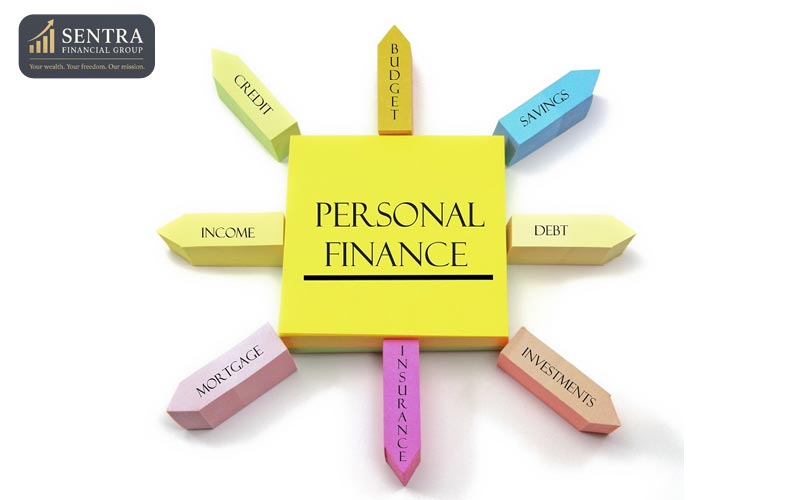
Personal financial planning in Canada is the structured process of organizing financial decisions in a way that supports long-term stability, flexibility, and confidence. Rather than focusing on isolated actions such as saving or investing, personal financial planning in Canada provides a comprehensive framework that aligns income, spending, investments, risk management, and future goals into a single coordinated strategy.
For many Canadians, financial decisions are made reactively. Changes in income, rising living costs, market volatility, or unexpected life events often trigger short-term responses without a broader plan. Over time, this reactive approach can lead to inefficiencies, missed opportunities, and unnecessary financial stress. Personal financial planning in Canada offers a disciplined alternative by creating clarity around priorities and long-term direction.
At its core, personal financial planning in Canada is about intentional decision-making. It helps individuals understand how today’s choices affect future outcomes and how different financial elements interact with one another. Whether planning for retirement, building wealth, or managing financial risk, a structured plan ensures that decisions reinforce each other rather than work at cross purposes.
In the Canadian context, personal financial planning in Canada is shaped by a complex system of registered accounts, progressive taxation, and government programs. These elements create both opportunities and challenges. Without proper coordination, individuals may underutilize available tools or unintentionally increase their tax exposure over time.
A well-designed personal financial plan acts as a roadmap. It provides guidance during periods of uncertainty, supports consistency through market cycles, and adapts as personal circumstances evolve. This adaptability is what distinguishes true personal financial planning in Canada from ad hoc financial decision-making.
Table of Contents
What Is Personal Financial Planning in Canada?
Personal financial planning in Canada refers to the process of evaluating an individual’s complete financial picture and designing a coordinated strategy to achieve both short-term and long-term objectives. Unlike basic budgeting or investment selection, personal financial planning in Canada integrates multiple aspects of financial life into a cohesive and forward-looking plan.
This process typically begins with a clear assessment of income, expenses, assets, liabilities, and future obligations. Each component is analyzed not in isolation, but in relation to how it affects overall financial stability and long-term outcomes. The purpose of personal financial planning in Canada is to ensure that financial resources are allocated efficiently and in alignment with personal priorities.
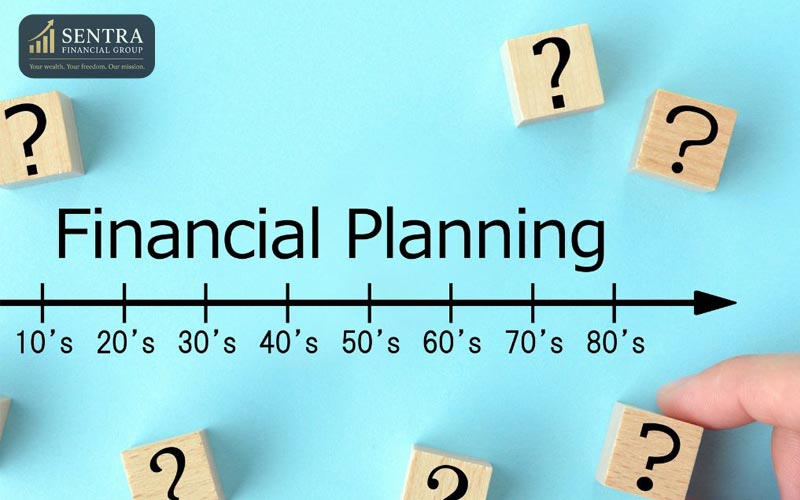
One of the defining characteristics of personal financial planning in Canada is its long-term perspective. While day-to-day financial management focuses on immediate needs, planning looks ahead to major life milestones such as retirement, career transitions, family responsibilities, and lifestyle changes. This forward-looking approach reduces uncertainty and supports proactive decision-making.
Personal financial planning in Canada also serves as the foundation for more specialized financial strategies. Areas such as retirement planning in Canada and investment planning strategies build upon this foundation, ensuring that specialized decisions remain aligned with broader financial goals rather than operating independently.
Ultimately, personal financial planning in Canada is not about predicting the future with precision. It is about creating a structured framework that allows individuals to respond to change with clarity and confidence, knowing their financial decisions are grounded in a coherent long-term strategy.
Why Personal Financial Planning Is Essential for Canadians
The importance of personal financial planning in Canada has grown significantly as financial responsibility has shifted increasingly to individuals. Traditional pension structures have become less common, living costs have risen, and longer life expectancy has extended the length of retirement. These changes make structured financial planning more essential than ever.
One of the primary reasons personal financial planning in Canada is critical is the growing complexity of financial decision-making. Canadians must navigate registered and non-registered accounts, tax rules, government benefits, and investment choices, all of which interact in ways that are not always intuitive. Without a coordinated plan, decisions made in one area can create unintended consequences in another.
Economic uncertainty further reinforces the need for personal financial planning in Canada. Market volatility, inflation, and changing interest rates can significantly affect financial outcomes over time. A structured financial plan provides a stable reference point that helps individuals remain disciplined during periods of uncertainty rather than reacting emotionally to short-term events.
Another key factor is tax efficiency. Canada’s progressive tax system means that financial decisions can have a substantial impact on after-tax income and long-term wealth. Personal financial planning in Canada helps coordinate income, savings, and investments in a way that supports tax efficiency over time rather than focusing solely on pre-tax returns.
Finally, personal financial planning in Canada supports confidence and peace of mind. When individuals understand their financial position and have a clear plan in place, they are better equipped to make informed decisions, adapt to change, and pursue long-term goals with greater certainty.
Core Elements of Personal Financial Planning in Canada
Personal financial planning in Canada is built on a set of core elements that work together to support long-term financial stability. These elements form the structural foundation of a comprehensive plan and help ensure that individual decisions reinforce one another rather than create conflict over time. Ignoring any one of these components can weaken the effectiveness of the entire strategy.
Income analysis is one of the central pillars of personal financial planning in Canada. Understanding where income comes from, how stable it is, and how it may change over time allows individuals to plan realistically. Whether income is salaried, variable, or derived from a business, clarity in this area supports better decision-making across all other aspects of the plan.

Expense planning is equally important. Personal financial planning in Canada requires a clear understanding of both fixed and variable expenses, as well as how spending patterns may evolve over different life stages. This insight helps align lifestyle choices with long-term financial capacity rather than short-term convenience.
Savings and investment coordination represents another core element. Saving without a clear investment strategy or investing without a broader plan can lead to inefficiencies and unnecessary risk. Personal financial planning in Canada ensures that savings habits and investment decisions are aligned with time horizon, risk tolerance, and future objectives.
Finally, goal setting ties all elements together. Clear, well-defined goals provide direction and context for financial decisions. Within personal financial planning in Canada, goals act as reference points that guide priorities, trade-offs, and adjustments as circumstances change.
Managing Cash Flow and Financial Priorities
Effective cash flow management is a cornerstone of personal financial planning in Canada. Cash flow represents the day-to-day movement of money in and out of a household and serves as the foundation upon which all long-term financial strategies are built. Without a clear understanding of cash flow, even well-designed plans can become difficult to sustain.
Personal financial planning in Canada emphasizes intentional cash flow management rather than rigid budgeting. The goal is not to restrict spending unnecessarily, but to ensure that spending aligns with priorities and long-term objectives. This approach helps individuals maintain flexibility while still making consistent progress toward financial goals.
Managing cash flow also involves prioritization. Competing demands such as debt repayment, saving, investing, and lifestyle expenses must be balanced thoughtfully. Personal financial planning in Canada provides a framework for making these trade-offs deliberately rather than reactively, reducing the likelihood of financial strain.
Cash flow planning becomes particularly important during periods of transition. Career changes, family growth, business expansion, or shifts in income structure can all affect financial stability. A structured approach to personal financial planning in Canada helps individuals adapt to these changes without losing sight of long-term goals.
Over time, effective cash flow management supports resilience. By maintaining clarity around income and expenses, individuals are better prepared to handle unexpected events and take advantage of opportunities as they arise.
Saving, Investing, and Long-Term Wealth Building
Saving and investing are essential components of personal financial planning in Canada, but their effectiveness depends on how well they are coordinated within a broader strategy. Saving provides the raw material for future financial security, while investing determines how that capital grows over time.
Personal financial planning in Canada distinguishes between short-term savings needs and long-term investment objectives. Emergency funds, planned purchases, and near-term goals require different strategies than assets intended for retirement or long-term wealth accumulation. Separating these purposes helps reduce risk and improve overall efficiency.
Investing within personal financial planning in Canada is guided by objectives rather than market speculation. Investment decisions are aligned with time horizon, risk tolerance, and income needs, ensuring that portfolios support long-term goals rather than short-term trends. This disciplined approach helps manage volatility and supports consistency through market cycles.
Tax efficiency also plays a critical role in saving and investing decisions. Registered and non-registered accounts offer different advantages, and coordinating contributions and withdrawals can significantly influence long-term outcomes. Personal financial planning in Canada helps ensure that these tools are used strategically rather than opportunistically.
Over time, the integration of saving and investing within a comprehensive plan supports sustainable wealth building. Rather than relying on isolated decisions, individuals benefit from a cohesive strategy that adapts as circumstances evolve.
Risk Management and Financial Protection
Risk management is an often underestimated aspect of personal financial planning in Canada, yet it plays a vital role in protecting long-term financial stability. Financial plans that focus solely on growth without considering risk exposure can be vulnerable to disruption from unexpected events.
Personal financial planning in Canada addresses risk by identifying potential threats to financial security, such as health issues, income loss, or market volatility. Understanding these risks allows individuals to take proactive steps to mitigate their impact rather than reacting after the fact.
Insurance and contingency planning are common tools used within personal financial planning in Canada to manage risk. When integrated thoughtfully, these tools help protect income, assets, and future goals without creating unnecessary complexity or cost.
Risk management also involves diversification. Concentrating assets in a single investment, income source, or business can increase vulnerability. Personal financial planning in Canada encourages diversification strategies that balance opportunity with resilience.
By incorporating risk management into the broader planning process, individuals can pursue long-term goals with greater confidence, knowing that potential disruptions have been considered and addressed.
Personal Financial Planning Across Life Stages
Personal financial planning in Canada evolves as individuals move through different stages of life. Financial priorities, responsibilities, and opportunities change over time, requiring plans that adapt rather than remain static.
Early in life, personal financial planning in Canada often focuses on building foundational habits. Managing cash flow, establishing savings, and beginning long-term investing set the stage for future stability. Decisions made during this stage can have a lasting impact due to the power of time.
Mid-life planning introduces new complexities. Career progression, family responsibilities, and increased income often require more sophisticated strategies. Personal financial planning in Canada helps balance competing priorities while maintaining progress toward long-term goals such as retirement.
Later stages of life shift the focus toward preservation and income sustainability. Retirement planning becomes more prominent, and decisions must be coordinated carefully to support lifestyle needs. This stage often overlaps closely with retirement planning considerations, ensuring a smooth transition from accumulation to income generation.
Throughout all life stages, personal financial planning in Canada provides continuity. By maintaining a clear strategic framework, individuals can adapt to change without losing sight of their long-term objectives.
How Personal Financial Planning Connects to Retirement and Investing
Personal financial planning in Canada functions as the central framework that connects retirement planning and investing into a unified strategy. Without this framework, retirement and investment decisions often become fragmented, leading to inefficiencies and increased risk over time. A comprehensive plan ensures that these elements work together rather than compete with one another.

Retirement planning is a natural extension of personal financial planning in Canada. While personal planning establishes goals, priorities, and cash flow discipline, retirement planning applies those principles to long-term income sustainability. Decisions about saving rates, investment structure, and risk tolerance made earlier in life directly influence retirement outcomes decades later.
Investing also gains clarity and purpose within personal financial planning in Canada. Rather than viewing investing as an isolated activity focused on returns, planning aligns investment decisions with timelines, income needs, and broader life goals. This alignment reduces the temptation to chase short-term performance and supports disciplined, long-term decision-making.
As individuals approach retirement, the relationship between planning and investing becomes even more important. Investment strategies often shift from accumulation toward income stability and risk management. Coordinating this transition within a structured plan helps avoid abrupt changes that could undermine long-term sustainability, particularly when combined with long-term investment planning considerations.
Ultimately, personal financial planning in Canada acts as the connective tissue between different financial strategies. By integrating retirement and investing within a single framework, individuals are better positioned to adapt to change while maintaining consistency and direction.
Common Financial Planning Mistakes Canadians Make
Many financial challenges arise not from a lack of effort, but from common planning mistakes. One of the most frequent errors is treating financial decisions as isolated events rather than components of a broader strategy. Without personal financial planning in Canada, decisions made independently can unintentionally work against one another.
Another common mistake is focusing exclusively on short-term outcomes. Prioritizing immediate gains or reacting to market movements often leads to inconsistent decision-making. Personal financial planning in Canada helps counter this tendency by emphasizing long-term objectives and structured decision-making.
Tax inefficiency is another issue that affects many Canadians. Failing to consider how income, savings, and investments interact with the tax system can significantly reduce long-term wealth. A coordinated planning approach helps ensure that decisions support after-tax outcomes rather than pre-tax assumptions.
Many individuals also underestimate the importance of regular review. Financial plans created once and left unchanged may no longer reflect current circumstances. Personal financial planning in Canada recognizes that life evolves and that strategies must be adjusted accordingly.
Finally, relying on assumptions rather than analysis can undermine planning efforts. Whether it involves expected investment returns, retirement timelines, or spending needs, unsupported assumptions increase uncertainty. A structured planning process replaces guesswork with informed evaluation.
When to Review and Update Your Financial Plan
Reviewing and updating a financial plan is an essential part of personal financial planning in Canada. A plan that is not revisited regularly risks becoming outdated and misaligned with current goals or circumstances. Regular reviews help ensure that strategies remain relevant and effective over time.
Major life events often serve as natural triggers for reviewing a financial plan. Changes in employment, income, family structure, or health can all influence financial priorities. Personal financial planning in Canada provides a framework for incorporating these changes without disrupting long-term direction.
Market conditions also warrant periodic review. While short-term market fluctuations should not dictate strategy, longer-term changes may require adjustments to investment structure or risk management. Reviewing plans within a disciplined framework helps maintain consistency while allowing for thoughtful adaptation.
Tax and regulatory changes further reinforce the need for ongoing review. Canadian tax rules and financial regulations evolve over time, potentially affecting the effectiveness of existing strategies. Personal financial planning in Canada ensures that plans remain aligned with current rules and opportunities.
Regular reviews do not imply constant change. Instead, they provide reassurance that a plan remains on track and responsive. This balance between stability and adaptability is a defining feature of effective long-term planning.
Working With a Financial Planning Professional
As financial situations become more complex, many Canadians consider working with a professional to support personal financial planning in Canada. While basic financial decisions can be made independently, comprehensive planning often benefits from experienced guidance and objective perspective.
A financial planning professional helps translate information into actionable strategy. By evaluating income, expenses, investments, and long-term goals together, professionals provide clarity that is difficult to achieve through isolated decisions. This structured approach supports consistency and reduces uncertainty.
Objectivity is another important advantage. Financial decisions are often influenced by emotion, particularly during periods of market volatility or major life transitions. A professional planner provides a disciplined framework that supports rational decision-making aligned with long-term objectives.
Professional planning also emphasizes integration. Personal financial planning in Canada connects closely with retirement, investing, and tax considerations. Working within a coordinated framework helps ensure that decisions reinforce one another rather than creating unintended conflicts, particularly when supported by structured retirement planning guidance.
For many individuals, professional support provides accountability and confidence. Knowing that a plan is monitored and adjusted as circumstances change allows individuals to focus on their goals rather than reacting to uncertainty.
Taking the Next Step Toward Structured Personal Financial Planning
Personal financial planning in Canada is ultimately about creating clarity and direction in an increasingly complex financial environment. By organizing decisions into a coherent strategy, individuals gain greater control over their financial future and reduce uncertainty over time.
A structured financial plan provides a foundation for informed decision-making. It supports consistency during market fluctuations, adaptability during life transitions, and confidence when facing long-term challenges. This structure distinguishes comprehensive planning from reactive financial management.
As financial priorities evolve, personal financial planning in Canada ensures that strategies remain aligned with goals rather than being driven by short-term pressures. This alignment helps individuals pursue long-term objectives with greater discipline and resilience.
For those seeking clarity and long-term direction, working within a structured planning framework supported by professional financial planning services can help transform complex decisions into a manageable and well-defined strategy.

At Sentra Financial Group, we believe financial success isn’t about luck — it’s about strategy, discipline, and trust. Our mission is to help individuals and families achieve peace of mind through smart investing, life insurance, and long-term financial planning.
FAQ About Personal Financial Planning in Canada
What is the primary purpose of personal financial planning in Canada?
The primary purpose of personal financial planning in Canada is to create a structured strategy that aligns income, spending, saving, investing, and risk management with long-term financial goals. This approach supports clarity, consistency, and adaptability over time.
Is personal financial planning in Canada only for high-income individuals?
No. Personal financial planning in Canada is valuable for individuals across income levels. While higher-income households may face greater complexity, anyone seeking clarity, organization, and long-term direction can benefit from structured planning.
How often should a financial plan be reviewed?
Financial plans should be reviewed regularly and whenever major life events occur. Ongoing review ensures that personal financial planning in Canada remains aligned with changing circumstances, market conditions, and regulatory environments.
How does personal financial planning differ from budgeting?
Budgeting focuses on short-term cash flow, while personal financial planning in Canada takes a broader view. Planning integrates budgeting with long-term goals, investment strategy, risk management, and retirement considerations.
Can personal financial planning help with retirement preparation?
Yes. Personal financial planning in Canada provides the foundation for retirement planning by coordinating savings, investments, and long-term income strategy. Retirement planning builds upon this foundation to support income sustainability later in life.
Is personal financial planning a one-time process?
No. Personal financial planning in Canada is an ongoing process. Regular updates and adjustments help ensure that strategies remain relevant and effective as life and financial conditions change.